
 EN
EN
 AR
AR
 HR
HR
 DA
DA
 NL
NL
 FI
FI
 FR
FR
 DE
DE
 HI
HI
 IT
IT
 JA
JA
 KO
KO
 NO
NO
 PL
PL
 PT
PT
 RO
RO
 RU
RU
 ES
ES
 TL
TL
 ID
ID
 SR
SR
 UK
UK
 VI
VI
 SQ
SQ
 TH
TH
 TR
TR
 FA
FA
 AF
AF
 MS
MS
 GA
GA
 BE
BE
 KA
KA
 MN
MN

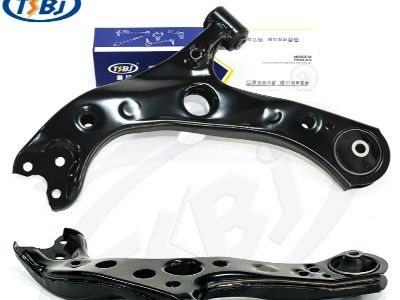
shaft steering gears are an important part of how cars move, playing a vital role in helping drivers control the direction of their vehicles safely. As automotive engineering improves, the technology behind steering gears evolves rapidly, bringing many innovative ideas to life with pioneering companies like Tongshi leading the way. One of the newest innovations in steering gear technology is electric power steering (EPS), which replaces traditional systems that rely on hydraulic fluids with an efficient electric motor that makes the mechanism lighter and much more responsive. For automotive wholesale buyers, this technological shift means they can offer vehicles that use less fuel and produce fewer carbon emissions. Another exciting development is the rise of steer-by-wire systems, which eliminate the physical mechanical connections between the steering wheel and the wheels by relying entirely on digital sensors and actuators. This digital layout allows for far more precise steering control and seamlessly enables active driving assistance features like automatic lane-keeping. Tongshi is actively working on these advanced steering technologies to make steering systems significantly safer and more adaptive for drivers. Additionally, the integration of smart technology is becoming incredibly popular, incorporating features like haptic feedback that sends a subtle vibration through the steering wheel to alert drivers of lane drift or road obstacles. These continuous innovations make driving much easier, giving wholesale buyers access to a wide variety of advanced options that protect the environment while enhancing the overall driving experience
The Future of Steering Gear Technology in Connected and Eco-Friendly Vehicles
The development trends in shaft steering column gear technology are fundamentally changing how the automotive industry operates, driven primarily by a massive shift toward sustainable and eco-friendly mobility solutions. With the rapid global rise of electric and hybrid vehicles, modern steering systems are being engineered to consume minimal energy from the battery pack, which is excellent news for buyers who want to buy cars that are better for the planet. Another major industry trend is the continuous push for smarter, more autonomous vehicles. As cars become more digitally connected, modern steering gears are equipped with data interfaces that allow them to communicate instantaneously with other onboard computers. This interconnectedness makes it possible for safety features like adaptive cruise control and automatic emergency braking to function with much higher precision. The future of steering gear technology is also heavily focused on occupant safety, with advanced protective features—such as automated steering adjustments during a sudden collision avoidance maneuver—becoming standard industry practice. These integrated safety innovations allow drivers to feel far more secure on the road, and Tongshi is excited to be part of this evolution by providing robust steering solutions that meet these rigorous modern demands. As these technology trends continue to accelerate, wholesale buyers will find many lucrative opportunities to offer the latest and greatest steering systems to their customers, making driving a safer and more enjoyable experience for everyone
Common Issues Faced in Steering Gear Quality Control and How to Overcome Them
In the global automotive market, the steering shaft gear is a critical safety component that dictates how well a driver can control their vehicle under stressful road conditions. However, manufacturers frequently face several strict quality control challenges during mass production, starting with component dimensional inaccuracies that stem from poor raw materials or miscalibrated factory machinery. If a steering gear component is not manufactured to exact structural specifications, it can fail prematurely and lead to serious road accidents. Another frequent quality assurance issue is insufficient testing before the completed steering assemblies leave the assembly line, because without rigorous validation, it is impossible to verify if the gear is genuinely safe for consumers. To overcome these dangerous production bugs, companies like Tongshi must implement strict quality control protocols that require examining every single component carefully before it is approved for vehicle integration. Production facilities can deploy specialized automated testing rigs to evaluate the material strength and structural tolerances of each gear under simulated heavy loads. Comprehensive workforce training is also incredibly important, as skilled technicians who know exactly how to look for microscopic material flaws can stop defective parts from advancing through the assembly line. Another highly effective way to improve quality control is to closely monitor field feedback data from dealerships and end-user drivers. If drivers experience unexpected play or premature stiffness in their steering gear, reporting these instances helps Tongshi pinpoint specific manufacturing steps that require immediate correction. By focusing heavily on strict quality control, manufacturing companies can consistently deliver steering gears that remain safe and reliable for everyone
How to Evaluate the Performance of Steering Gear Systems for Optimal Vehicle Safety
To keep drivers safe on the highway, it is vital to comprehensively evaluate the performance metrics of steering gear systems. Evaluating mechanical performance requires measuring exactly how well the steering gear translates a driver's inputs into predictable, safe vehicle movements. One effective way to benchmark this behavior is through dynamic track testing, allowing companies like Tongshi to collect precise data on how the steering gear responds when a driver turns the steering wheel at high speeds. These tests measure how quickly the front wheels react and whether the vehicle chassis remains stable during sudden lane changes. Another important factor to evaluate is the steering effort curve, which determines how heavy or loose the steering wheel feels in a driver's hands. If the steering calibration is too stiff, it causes driver fatigue, whereas if it is too loose, it robs the driver of vital road feel and control. To optimize this balance, Tongshi utilizes specialized digital torque sensors to measure the exact amount of physical effort needed to turn the wheel across different speeds, ensuring the system remains comfortable and safe. Finally, monitoring the steering column for any anomalous noise or high-frequency vibration is a critical part of the evaluation process. If a steering gear makes strange clicking sounds or shakes during operation, it serves as an immediate warning sign of internal gear binding or bearing wear. By evaluating performance through these strict testing methods, Tongshi can ensure that its steering gear systems work flawlessly on the road
How Are Sustainability Trends Impacting Steering Gear Development in the Automotive Sector
Sustainability is rapidly becoming one of the most influential topics across the global automotive sector, forcing manufacturers to design vehicles that have a much lighter impact on the environment. For modern steering gear development, this green transition is shaping how engineers approach both material sourcing and component design. One major way sustainability trends are impacting this field is through the adoption of lightweight, eco-friendly metal alloys and composites. Forward-thinking companies like Tongshi are actively researching structural materials that provide maximum tensile strength while remaining fully recyclable at the end of the vehicle's lifespan. Another key pillar of sustainable development is the aggressive reduction of raw material waste during the manufacturing process. Tongshi can utilize smart manufacturing techniques, such as precision casting and automated machining, to ensure they use the minimum amount of metal necessary to build a durable steering gear housing. This optimization saves precious natural resources and reduces the energy footprint of the factory. Lastly, modern environmental trends encourage automotive companies to think about the entire circular lifecycle of the steering assembly. This means engineers must design the components so they can be easily disassembled, refurbished, or melted down for recycling after the vehicle is eventually retired from service. By focusing on these sustainable principles, Tongshi can help build a cleaner, more responsible future for the automotive sector while maintaining the uncompromised mechanical safety that drivers rely on every day.
Table of Contents
- The Future of Steering Gear Technology in Connected and Eco-Friendly Vehicles
- Common Issues Faced in Steering Gear Quality Control and How to Overcome Them
- How to Evaluate the Performance of Steering Gear Systems for Optimal Vehicle Safety
- How Are Sustainability Trends Impacting Steering Gear Development in the Automotive Sector