
 EN
EN
 AR
AR
 HR
HR
 DA
DA
 NL
NL
 FI
FI
 FR
FR
 DE
DE
 HI
HI
 IT
IT
 JA
JA
 KO
KO
 NO
NO
 PL
PL
 PT
PT
 RO
RO
 RU
RU
 ES
ES
 TL
TL
 ID
ID
 SR
SR
 UK
UK
 VI
VI
 SQ
SQ
 TH
TH
 TR
TR
 FA
FA
 AF
AF
 MS
MS
 GA
GA
 BE
BE
 KA
KA
 MN
MN

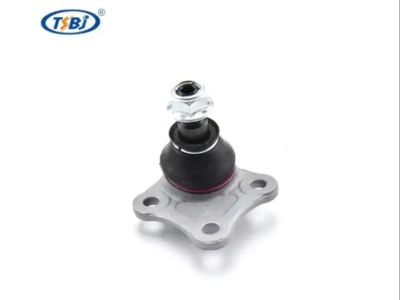
Ball joints are important parts used in cars to connect different components. They help the wheels move and turn smoothly. In mass production, making sure these ball joints are of good quality is very important. At Tongshi, we focus on ensuring that each BALL JOINT meets strict standards. This helps keep vehicles safe and running well. There are several ways to check the quality of ball joints. We will talk about different inspection methods used in mass production and how to find reliable inspection services
Quality Control Methods for Ball Joint Manufacturing
To ensure quality control in ball joint manufacturing, companies like Tongshi use several methods. First, it is important to have strict guidelines that workers must follow. This can include checking the raw materials before they are used. For example, if the steel used for making ball joints is weak, the final product won’t be safe. Next, machine settings are checked regularly. If a machine is not working properly, it can make parts that are too big or too small. This can lead to problems in how the ball joint fits into the car. Another important step is to have a team of trained inspectors who examine the ball joints as they are being made. They look for cracks, rough surfaces, or any other issues. Sometimes, they even use special tools to measure the size and shape of the ball joints. This can help catch problems early. Additionally, testing the finished ball joints is crucial. This might include moving them to see how well they work under pressure. If a ball joint can’t handle the stress, it could break while driving, which is dangerous. Moreover, Tongshi believes in using feedback from customers to improve the product. If a customer reports an issue, the company investigates it and makes changes if needed. This helps ensure that every ball joint made is safe and effective. Communication within the team is also vital. Regular meetings help workers share concerns and solutions, making the production process smoother. By using these methods, Tongshi can keep producing high-quality ball joints that meet the needs of customers
Where to Find Reliable Ball Joint Inspection Services
Wholesale buyers looking for reliable ball joint inspection services can find what they need by following a few simple steps. First, it helps to research companies that specialize in inspection services. Many of these companies have websites where they describe their services, technology, and experience. Another way to find good inspection services is to ask for recommendations. Other businesses in the automotive industry might have suggestions based on their experiences. When looking for an inspection service, it is important to check their reputation. Reviews from past customers can provide valuable insight into how well they perform. A company like Tongshi often collaborates with trusted inspection services, ensuring that the auto ball joint are thoroughly tested. Buyers should also inquire about the inspection methods used. For instance, some companies may use technology like X-rays to find hidden issues in the ball joints. Additionally, consider the location of the inspection service. Working with a local company can make it easier to communicate and resolve issues quickly. It can also save time and money in transportation costs. Lastly, it is wise to discuss pricing upfront. Knowing what to expect helps avoid surprises later. By taking these steps, wholesale buyers can find inspection services that help ensure they receive high-quality ball joints
What Common Issues Arise in Ball Joint Inspections and How to Address Them
When checking ball joints in mass production, there can be several common problems. One major issue is that some ball joints may not be made correctly. This can happen if the machines that make them are not set up right or if the materials used are of low quality. If a ball joint is not made properly, it can break or wear out faster than it should. To solve this problem, companies like Tongshi need to have strict rules for how the ball joints are made. This means checking the machines regularly to make sure they work well and using the best materials possible. Another problem that can come up during inspections is that workers may miss defects. Sometimes, the ball joints might look fine on the outside but have issues on the inside. If workers are tired or distracted, they might not notice these hidden problems. To help with this, Tongshi can provide training for workers to help them improve their inspection skills. They can also use better tools that make it easier to see any issues. For example, using machines that can take pictures of the ball joints in detail can help spot problems that a human eye might miss. Finally, time can be a big issue during inspections. In mass production, there is often a lot to check, and workers may feel rushed. This can lead to mistakes. To address this, companies like Tongshi can set up a system where inspections are done at different stages of production rather than all at once at the end. This way, any problems can be found and fixed early, making the whole process smoother and safer
What Are the Latest Trends in Ball Joint Inspection Techniques
The way ball joints are inspected is always changing, and new techniques are being developed all the time. One of the latest trends is using advanced technology like robots and machines to help with inspections. These machines can check ball joints much faster and more accurately than humans. For example, Tongshi may use robotic arms that can move around and look at every part of a ball joint. These robots can also take measurements that are hard for people to do by hand. This helps to find problems early and ensures that only the best ball joints are used. Another trend is the use of special sensors. These sensors can detect things like tiny cracks or signs of wear that a human might miss. They work by sending out signals and measuring how they bounce back. This technology is becoming more popular because it can be very precise. Companies like Tongshi can use these sensors to make sure their ball joints are safe and reliable. Additionally, data analysis is becoming important in automotive ball joint inspection. This means collecting information from the inspections and looking for patterns. For example, if many ball joints from a specific machine show the same defect, it might mean there is a problem with that machine. By using data analysis, Tongshi can find issues before they become big problems. This trend helps improve the quality of ball joints and keeps production running smoothly
How to Identify Potential Defects in Ball Joints During Mass Production
Finding defects in ball joints during mass production is very important to ensure they work well and are safe. One of the first steps is visual inspection. Workers at Tongshi can look closely at each ball joint to spot any obvious problems, like cracks or uneven surfaces. This step is crucial because it is the easiest way to find major defects before they go through further testing. Another way to find defects is by using special tools. For example, Tongshi can use machines that apply pressure to the ball joints to see if they bend or break in ways they shouldn’t. If a ball joint fails this test, it needs to be fixed or thrown away. This method helps catch problems that might not be visible right away. Additionally, listening is a unique way to find defects. Sometimes, when ball joints are moved or tested, they can make strange noises if they are damaged. Workers at Tongshi can be trained to recognize these sounds, which may indicate a problem. Finally, performing stress tests can help identify defects. This means putting the ball joints under conditions that mimic real-life situations. For example, they can be tested under heavy loads or extreme temperatures. If a ball joint fails during these tests, it indicates that there is a defect that needs to be addressed. By using a combination of visual inspections, special tools, listening, and stress tests, Tongshi can ensure that their ball joints are of the highest quality, keeping everyone safe.
Table of Contents
- Quality Control Methods for Ball Joint Manufacturing
- Where to Find Reliable Ball Joint Inspection Services
- What Common Issues Arise in Ball Joint Inspections and How to Address Them
- What Are the Latest Trends in Ball Joint Inspection Techniques
- How to Identify Potential Defects in Ball Joints During Mass Production