
 EN
 AR
 HR
 DA
 NL
 FI
 FR
 DE
 HI
 IT
 JA
 KO
 NO
 PL
 PT
 RO
 RU
 ES
 TL
 ID
 SR
 UK
 VI
 SQ
 TH
 TR
 FA
 AF
 MS
 GA
 BE
 KA
 MN

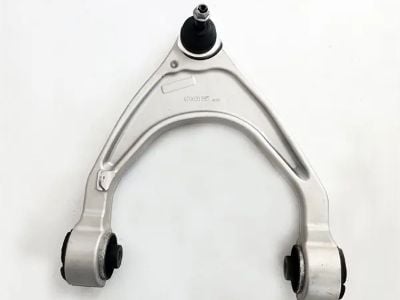
In 2026, the automotive parts supply chain faces many hurdles. This is important because cars need a lot of different parts to work. These automotive parts come from many places around the world. When something goes wrong in the supply chain, it can cause delays and costs to rise. This affects everyone, from car manufacturers to the people who buy cars. At Tongshi, we understand these challenges and want to share some insights on what is happening and how we can all work through these problems together.
What Are the Key Automotive Parts Supply Chain Challenges in 2026?
One big challenge in the supply chain is the lack of materials. Many factories around the world are still bouncing back from problems caused by illness or natural disasters. Some parts of the world are having trouble getting the raw materials they need to make car parts, like metals or plastics. If one factory cannot get the materials, it can slow down the whole process. This can lead to long waits for car parts, making it hard for manufacturers to meet customer demands. Another issue is transportation. It can be hard to move parts from one place to another. For example, ships take longer to arrive at ports because of strict rules or fewer workers. This means car makers have to wait longer for the custom automotive parts they need. Additionally, there is the challenge of technology. As cars become smarter and include more technology, the parts needed are changing quickly. Companies have to keep up with new parts and technology, which can be tough. At Tongshi, we see how these challenges can put pressure on everyone involved in making cars.
How to Overcome Automotive Supply Chain Disruptions for Wholesale Buyers?
To deal with these supply chain problems, wholesale buyers can take some smart steps. First, it is important for buyers to build strong relationships with suppliers. When buyers talk regularly with their suppliers, they can learn about any issues before they become big problems. This communication helps everyone plan better. Second, having multiple suppliers can also be useful. If one supplier has a problem, buyers can get auto market parts from another source. This helps keep things moving smoothly. Buyers should also think about keeping extra parts on hand. By having a little more stock, they can avoid running out of parts when delays happen. Lastly, embracing new technologies can make a big difference. Using software to track inventory and shipments can help buyers see where things might slow down. At Tongshi, we know that these strategies can help buyers stay ahead of issues and keep their businesses running well. By working together, we can face these challenges and make the automotive supply chain stronger for everyone.
What Wholesale Strategies Can Mitigate Supply Chain Issues in the Automotive Industry?
In 2026, the automotive industry faces many challenges with its supply chain. This means that getting parts to make cars can be hard. To help solve these problems, businesses need to focus on good wholesale strategies. One way they can do this is by building strong relationships with suppliers. When companies like Tongshi work closely with their suppliers, they can communicate better and understand each other’s needs. This helps in making sure that the right parts are available when they are needed. Another smart strategy is to keep a good stock of important parts. By having extra parts on hand, businesses can avoid delays if there is a sudden shortage. This idea is known as “safety stock.” It acts like a backup plan to keep the production of cars running smoothly.
Moreover, using technology can also help in managing supply chains. For example, companies can use software to track where parts are and how long it takes to get them. This way, they can notice problems early and fix them before they become too big. It is also helpful to work with multiple suppliers for the same parts. If one supplier has trouble, others can step in to help. This reduces the risk of running out of parts. Lastly, being flexible is important. If a certain part is hard to get, companies like Tongshi can look for alternatives or different ways to make their products. By using these wholesale strategies, companies in the automotive industry can better handle supply chain challenges and keep making cars that people want.
How to Source Quality Automotive Parts Amid Supply Chain Challenges in 2026?
Finding quality automotive parts in 2026 can be tricky due to supply chain challenges. However, there are effective ways to source these parts. First, it is important for companies like Tongshi to research and choose reliable suppliers. A good supplier should have a track record of providing high-quality parts on time. To find these suppliers, companies can ask for recommendations from other businesses or check reviews online. Another helpful strategy is to visit suppliers in person. Meeting face-to-face can help build trust and ensure that the parts meet quality standards.
Next, companies should consider using a checklist for quality when sourcing parts. This checklist can include things like checking for certifications, understanding the materials used, and looking at the manufacturing process. By having a clear set of standards, businesses can make better decisions and avoid low-quality parts. It is also wise to start with small orders to test out new suppliers. This way, companies can evaluate the quality of the parts without making a big commitment.
Additionally, using technology can improve sourcing. Online platforms can connect businesses with suppliers around the world. This opens up more options for finding quality parts. Companies can also use data to analyze which parts are in demand and adjust their sourcing accordingly. Lastly, building strong relationships with suppliers can lead to better deals and priority access to quality parts. By following these strategies, companies like Tongshi can successfully source quality automotive parts despite the challenges in the supply chain.
How to Ensure Quality Control in Automotive Parts Amid Supply Chain Disruptions?
Quality control is very important in the automotive industry, especially during supply chain disruptions in 2026. Companies like Tongshi need to have strong processes in place to ensure that all parts are safe and reliable. One way to do this is by creating a clear quality control plan. This plan should outline the steps to check parts at different stages, from when they arrive to when they are used in production. Regular inspections can help catch any problems early.
Training employees is another key part of ensuring quality. Workers should know how to spot defects and understand the quality standards that need to be met. By providing training, companies can empower their staff to take an active role in quality assurance. Another effective method is to use technology for quality control. For example, companies can use cameras and sensors to automatically check parts as they come off the production line. This can speed up the process and reduce human error.
Moreover, it is important to have a feedback system. If a problem is found in a part, companies should document it and analyze why it happened. This way, they can make improvements and avoid similar issues in the future. Working closely with suppliers is also vital. If suppliers understand the quality standards required, they can help ensure that the parts they provide meet those standards. Finally, companies should be open to continuous improvement. Quality control should not be a one-time effort; it should be an ongoing process. By staying committed to quality, companies like Tongshi can maintain high standards even when facing supply chain disruptions.
Table of Contents
- What Are the Key Automotive Parts Supply Chain Challenges in 2026?
- How to Overcome Automotive Supply Chain Disruptions for Wholesale Buyers?
- What Wholesale Strategies Can Mitigate Supply Chain Issues in the Automotive Industry?
- How to Source Quality Automotive Parts Amid Supply Chain Challenges in 2026?
- How to Ensure Quality Control in Automotive Parts Amid Supply Chain Disruptions?